
El fresado CNC es uno de los procesos de fabricación más utilizados para producir componentes de ingeniería de precisión en industrias como la aeroespacial, la automotriz, la de dispositivos médicos, la electrónica, la energética y la de equipos industriales. Este proceso permite a los fabricantes crear piezas de alta precisión con geometrías complejas, manteniendo una calidad constante durante toda la producción.
Sin embargo, lograr excelentes resultados en el fresado CNC no se reduce simplemente a utilizar una máquina CNC avanzada. La calidad y la precisión de un componente mecanizado dependen de una combinación de factores que interactúan a lo largo del proceso de fabricación. El estado de la máquina, las herramientas de corte, los parámetros de mecanizado, los materiales de la pieza, los métodos de sujeción, las condiciones ambientales y los procedimientos de control de calidad influyen en el resultado.
Para los fabricantes que operan en sectores altamente exigentes, comprender los factores que influyen en la calidad del fresado CNC es fundamental. Al optimizar cada etapa del proceso de mecanizado, las empresas pueden reducir los defectos, mejorar la productividad, prolongar la vida útil de las herramientas y producir componentes que cumplan de forma consistente con las estrictas especificaciones de ingeniería.
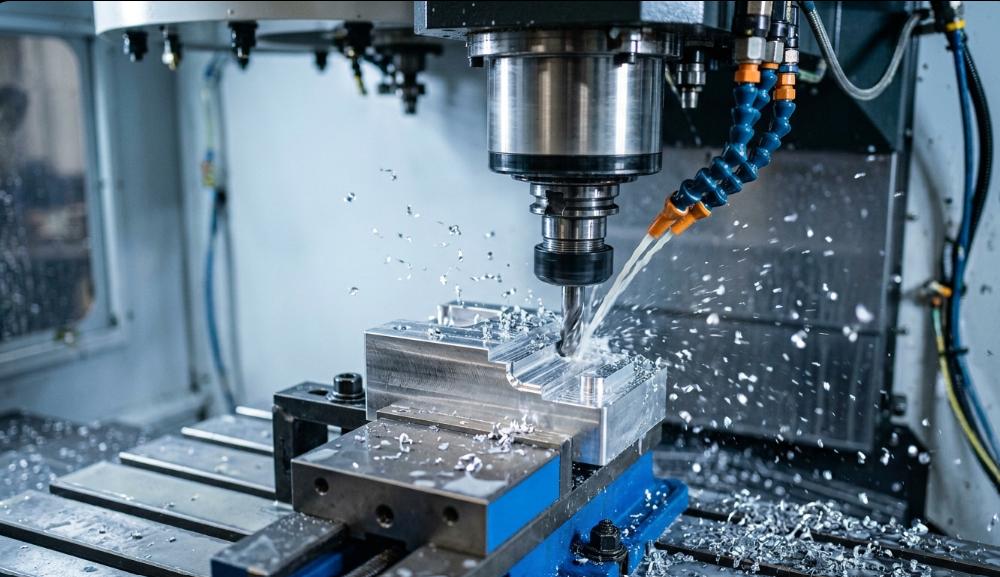
La calidad del fresado CNC se mide por la precisión y la consistencia con que un componente cumple con sus especificaciones de diseño. Los fabricantes suelen evaluar la calidad utilizando cuatro criterios principales.
La precisión dimensional se refiere a la fidelidad con la que un componente terminado coincide con las dimensiones especificadas en los planos de ingeniería o los modelos CAD. Incluso pequeñas variaciones dimensionales pueden generar problemas de ensamblaje, reducir el rendimiento del producto o provocar fallos en componentes en aplicaciones críticas.
Industrias como la aeroespacial, la de fabricación de dispositivos médicos y la de producción automotriz suelen requerir tolerancias extremadamente estrictas, lo que convierte la precisión dimensional en uno de los indicadores más importantes de la calidad del mecanizado.
El acabado superficial describe la textura y la suavidad de una superficie mecanizada. Un acabado superficial de alta calidad mejora tanto el rendimiento funcional como el estético. En muchas aplicaciones, la calidad de la superficie influye directamente en la resistencia al desgaste, los niveles de fricción, la eficacia del sellado, la resistencia a la fatiga y la resistencia a la corrosión.
Las tolerancias geométricas evalúan la forma, la orientación y la posición de elementos específicos dentro de un componente. Una pieza puede cumplir con los requisitos dimensionales, pero aun así fallar si no se respetan las tolerancias geométricas. Un control geométrico preciso garantiza un ajuste, una alineación y una funcionalidad adecuados.
La fabricación moderna requiere la capacidad de producir grandes cantidades de componentes idénticos. La repetibilidad se refiere a la capacidad de la máquina para producir de forma consistente piezas que cumplan con las mismas especificaciones a lo largo de múltiples ciclos de producción.
Mantener la repetibilidad es esencial para reducir los defectos, minimizar el desperdicio y garantizar la satisfacción del cliente.
Cada material presenta desafíos de mecanizado únicos que deben abordarse para mantener la calidad.
Material | Desafíos comunes en el fresado CNC |
Aluminio | Formación de rebabas, acumulación de filo, adherencia de la herramienta |
Acero inoxidable | Endurecimiento por deformación, altas temperaturas de corte |
Titanio | Desgaste rápido de la herramienta, concentración de calor y baja conductividad térmica. |
Inconel | Fuerzas de corte severas, acumulación de calor y reducción de la vida útil de la herramienta. |
Plásticos de ingeniería | Distorsión térmica, dificultades en el control del chip |
Comprender estos desafíos permite a los fabricantes implementar estrategias adecuadas de herramientas, refrigeración y mecanizado.
El Máquina CNC La rigidez es fundamental para la precisión del mecanizado. Incluso las herramientas de alta calidad y la programación avanzada no pueden compensar una máquina que carece de rigidez, calibración o estabilidad térmica. La rigidez de la máquina ayuda a resistir la deformación durante las operaciones de corte, reduciendo los errores dimensionales y las vibraciones.
La precisión del husillo garantiza una rotación y un posicionamiento exactos de la herramienta, mientras que la calibración periódica de la máquina mantiene la alineación y la precisión del movimiento. La estabilidad térmica es igualmente importante, ya que las fluctuaciones de temperatura pueden provocar la dilatación o contracción de los componentes de la máquina, afectando las dimensiones de las piezas. Un control eficaz de las vibraciones y el ruido mejora aún más el acabado superficial, la vida útil de la herramienta y la consistencia general del mecanizado.
Herramientas de corte Influyen directamente en el acabado superficial, la precisión dimensional y la eficiencia de la producción. Seleccionar el material, la geometría y el recubrimiento adecuados de la herramienta garantiza un rendimiento de mecanizado estable en diferentes materiales de la pieza. Las herramientas de carburo se utilizan habitualmente en la producción a alta velocidad debido a su resistencia al desgaste y tolerancia al calor.
La geometría de la herramienta, incluyendo el ángulo de ataque, el ángulo de hélice y el diseño de la ranura, influye en la evacuación de la viruta y las fuerzas de corte. Los recubrimientos avanzados como TiN, TiAlN y AlTiN reducen la fricción y mejoran la durabilidad. El control regular del desgaste y la excentricidad de la herramienta es fundamental para mantener la calidad del mecanizado y prevenir inconsistencias dimensionales.
Material de la herramienta | Características clave | Mejores aplicaciones |
Carburo | Alta dureza, excelente resistencia al desgaste, tolerancia superior al calor. | Acero, acero inoxidable, titanio, producción en grandes volúmenes |
HSS (Acero de alta velocidad) | Buena resistencia, rentable, adecuado para velocidades de corte moderadas. | Mecanizado de uso general y materiales más blandos |
Cerámico | Resistencia al calor excepcional, apta para mecanizado a muy alta velocidad. | Aceros templados y aleaciones resistentes al calor |
PCD (Diamante policristalino) | Resistencia al desgaste extremadamente alta y excelente capacidad de acabado superficial. | Aluminio, materiales compuestos, grafito, materiales no ferrosos |
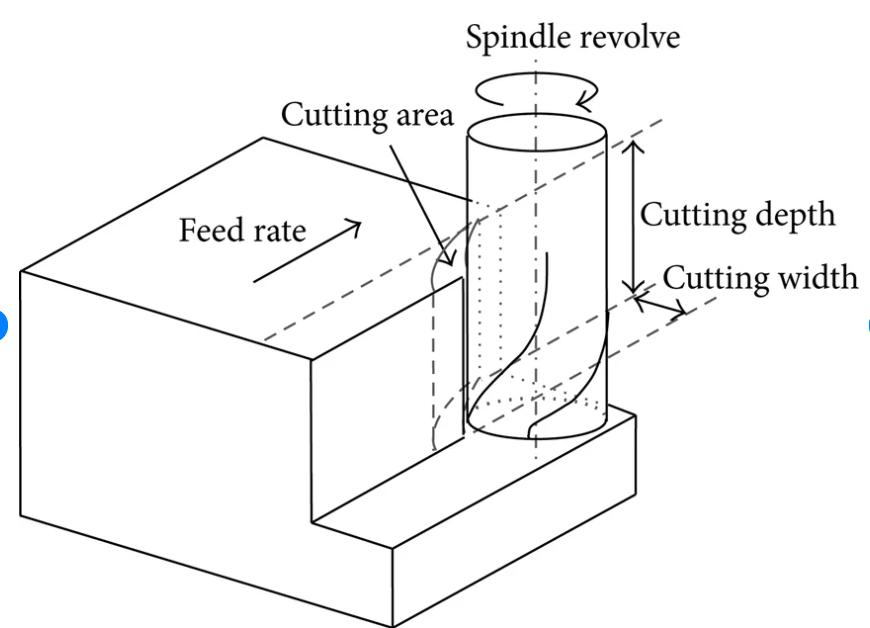
Los parámetros de mecanizado determinan cómo interactúa la herramienta de corte con la pieza de trabajo. Una selección incorrecta de parámetros puede provocar un exceso de calor, un acabado superficial deficiente, desgaste de la herramienta e imprecisiones dimensionales. Los parámetros clave incluyen la velocidad de corte, la velocidad de avance, la profundidad de corte y el paso lateral.
Las velocidades de corte más altas pueden mejorar la productividad, pero también pueden aumentar el calor y el desgaste. Es fundamental optimizar la velocidad de avance para lograr un equilibrio entre la eficiencia y la calidad de la superficie. La profundidad de corte y el avance lateral influyen tanto en la tasa de remoción de material como en la estabilidad del mecanizado. Además, seleccionar la trayectoria de herramienta adecuada ayuda a reducir las vibraciones y a mejorar la eficiencia del mecanizado.
Las características del material influyen significativamente en el rendimiento y la precisión del mecanizado. Los distintos materiales responden de manera diferente a las fuerzas de corte, la generación de calor y la interacción con la herramienta. Los materiales duros suelen aumentar el desgaste de la herramienta y la resistencia al corte, mientras que los materiales más blandos pueden generar rebabas o problemas de adherencia.
La resistencia del material afecta a las fuerzas de mecanizado, y la conductividad térmica determina la eficiencia con la que se disipa el calor durante el corte. Materiales como el titanio, el acero inoxidable y el Inconel requieren estrategias de mecanizado especializadas, ya que generan temperaturas más elevadas y aceleran el desgaste de la herramienta.
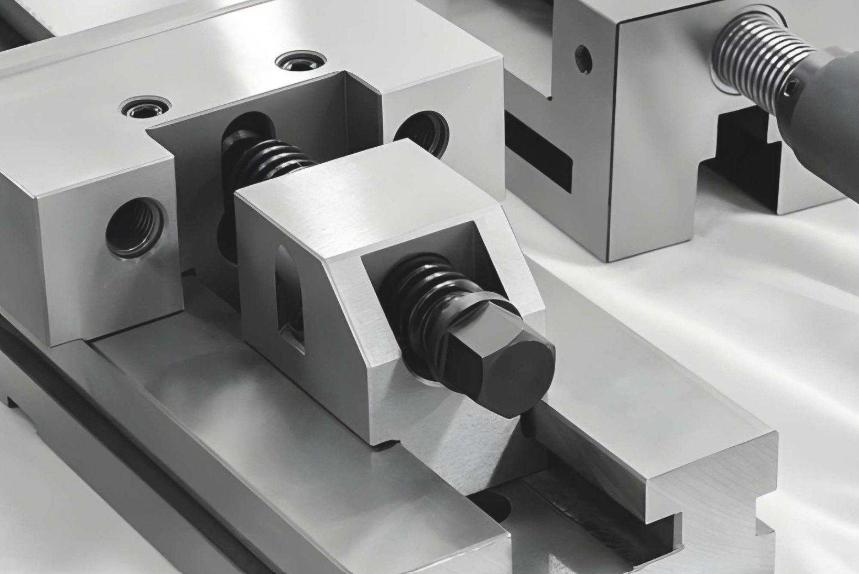
Un sistema de sujeción estable es fundamental para mantener la precisión de la pieza durante todo el proceso de mecanizado. Incluso un ligero movimiento de la pieza puede provocar errores dimensionales y una mala calidad superficial.
Un diseño adecuado de la fijación proporciona el soporte y la rigidez necesarios, a la vez que permite el acceso a las zonas críticas de mecanizado. La fuerza de sujeción debe controlarse cuidadosamente para evitar movimientos sin deformar la pieza. Una fijación eficaz minimiza las vibraciones, mejora la repetibilidad y contribuye a mantener un rendimiento de mecanizado constante en todas las series de producción.
La refrigeración y la lubricación desempeñan un papel fundamental en el control del calor y la reducción de la fricción durante las operaciones de fresado CNC. Sin un suministro eficaz de refrigerante, las temperaturas excesivas pueden dañar las herramientas, deformar las piezas y disminuir la precisión del mecanizado.
Los fluidos de corte mejoran la vida útil de las herramientas, optimizan el acabado superficial y facilitan la evacuación de las virutas. Los métodos de refrigeración más comunes incluyen la refrigeración por inundación, los sistemas de refrigeración a alta presión, la refrigeración por niebla y la aplicación de refrigerante a través de la herramienta. Una gestión térmica adecuada y una correcta evacuación de las virutas contribuyen a mantener condiciones de corte estables y una calidad de pieza uniforme.
El entorno de fabricación puede influir significativamente en la precisión del fresado CNC, especialmente en aplicaciones de alta tolerancia. Las fluctuaciones de temperatura pueden provocar dilatación térmica en los componentes de la máquina, las herramientas y las piezas de trabajo, lo que conlleva variaciones dimensionales.
La humedad excesiva puede contribuir a la corrosión y la inestabilidad del material, mientras que el polvo y la contaminación pueden afectar el rendimiento de la máquina y la precisión de las mediciones. Mantener un entorno de producción controlado favorece la consistencia del mecanizado a largo plazo.
Aunque el mecanizado CNC está altamente automatizado, los operarios cualificados siguen siendo esenciales para obtener resultados óptimos. Los maquinistas experimentados comprenden cómo interactúan las variables de mecanizado y pueden identificar posibles problemas antes de que afecten a la calidad del producto.
Una configuración precisa de la máquina, la selección adecuada de herramientas y el monitoreo continuo del proceso contribuyen a un rendimiento de mecanizado estable. Los programas de mantenimiento preventivo mejoran aún más la confiabilidad al reducir los tiempos de inactividad inesperados y preservar la precisión de la máquina.
El control de calidad garantiza que los componentes mecanizados cumplan sistemáticamente con las especificaciones técnicas y los requisitos del cliente. Los fabricantes modernos integran los procedimientos de inspección a lo largo de todo el proceso de producción, en lugar de depender únicamente de la inspección final. La inspección del primer artículo (FAI) verifica que el proceso esté listo antes de que comience la producción a gran escala.
Las inspecciones durante el proceso ayudan a identificar problemas con anticipación, reduciendo el desperdicio y la necesidad de rehacer el trabajo. Las máquinas de medición por coordenadas (MMC) proporcionan una verificación dimensional de alta precisión, mientras que el control estadístico de procesos (CEP) ayuda a los fabricantes a monitorear las tendencias, reducir la variación y mejorar la consistencia general de la producción.
La industria manufacturera moderna está adoptando rápidamente tecnologías avanzadas que mejoran la precisión, la productividad y la fiabilidad del mecanizado. Estas innovaciones ayudan a los fabricantes a satisfacer requisitos de producción cada vez más complejos, manteniendo al mismo tiempo altos estándares de calidad.
La inteligencia artificial está transformando el mecanizado CNC al mejorar la monitorización de herramientas y las capacidades de mantenimiento predictivo. Los sistemas de IA analizan datos de producción en tiempo real. Cuando se detectan anomalías, el sistema puede alertar a los operarios antes de que se produzcan problemas graves de calidad.
Los sistemas de mecanizado adaptativos ajustan automáticamente los parámetros de corte en función de las condiciones de mecanizado en tiempo real. Si factores como el desgaste de la herramienta o la dureza del material varían durante la producción, estos ajustes ayudan a mantener condiciones de corte estables y a garantizar una calidad de producto uniforme durante todo el proceso de mecanizado.
La tecnología de gemelos digitales crea una representación virtual del proceso de mecanizado antes de que comience la producción. Al identificar posibles problemas antes de que comience el mecanizado real, los fabricantes pueden reducir los riesgos de producción y mejorar las tasas de éxito en el primer intento. Los gemelos digitales también respaldan la optimización de procesos y las iniciativas de mejora continua.
La Industria 4.0 integra máquinas, sensores, software y sistemas de producción en un entorno digital conectado. Los entornos de fabricación conectados permiten a las organizaciones supervisar el rendimiento de forma continua y realizar mejoras basadas en datos a lo largo de todo el proceso de producción.
Los beneficios incluyen:
Los principales fabricantes de máquinas CNC comprenden que para obtener resultados de alta calidad se requiere más que equipos avanzados. Una producción exitosa depende de una planificación minuciosa, experiencia en ingeniería y una mejora continua de la calidad. Diversas estrategias ayudan a minimizar los defectos de mecanizado y a mejorar la uniformidad.
Antes de que comience la producción, los ingenieros revisan cuidadosamente los diseños de los componentes para identificar posibles problemas de fabricación.
Esta revisión normalmente incluye:
La detección temprana de posibles problemas ayuda a prevenir costosos inconvenientes posteriores en el proceso de producción.
El análisis DFM garantiza que los componentes estén optimizados para el mecanizado CNC. Los ingenieros evalúan si las características específicas se pueden producir de manera eficiente manteniendo los estándares de calidad. Al modificar los diseños cuando sea necesario, los fabricantes pueden mejorar la maquinabilidad, reducir costos y aumentar la calidad del producto.
El software de simulación moderno permite a los fabricantes probar digitalmente las operaciones de mecanizado antes de que comience la producción. Esto reduce los riesgos de producción y mejora la fiabilidad general del mecanizado.
Elegir las herramientas adecuadas sigue siendo una de las decisiones más importantes en el fresado CNC. Una correcta selección de herramientas mejora la estabilidad del mecanizado, prolonga la vida útil de las herramientas y optimiza la calidad del producto final.
El control de calidad debe aplicarse a lo largo de todo el proceso de fabricación, y no solo en la etapa de inspección final. Este enfoque integral ayuda a los fabricantes a mantener una calidad constante, a la vez que reduce los defectos y las repeticiones de trabajo.
Seleccionar los factores adecuados para la calidad del fresado CNC es fundamental para lograr alta precisión, rendimiento estable y resultados de producción consistentes. El estado de la máquina, las herramientas de corte, la selección del material, la calidad de la programación y el control del proceso desempeñan un papel clave en la determinación de los resultados finales del mecanizado. Cuando estos factores se optimizan correctamente, los fabricantes pueden reducir significativamente los defectos, mejorar el acabado superficial y aumentar la eficiencia general.
CNC Yangsenproporciona soluciones de mecanizado CNC fiables y de alto rendimiento diseñadas para satisfacer los requisitos de fabricación modernos. Con un enfoque en la precisión, la estabilidad y la rentabilidad, CNC YangsenAyuda a las empresas a lograr una mayor precisión de mecanizado y una mejor producción en diversas aplicaciones industriales.
Si desea mejorar el rendimiento de su fresadora CNC o aumentar la eficiencia de la fabricación, póngase en contacto con nosotros para explorar la solución adecuada a sus necesidades de mecanizado.